
Posts

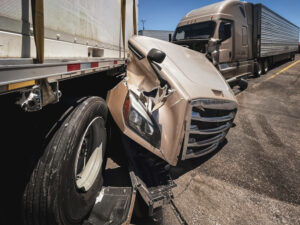
The Most Common Causes of Truck Accidents in Atlanta
Large truck accidents in Atlanta are often caused by driver fatigue, speeding, distracted driving, unsafe lane changes, improper loading, and poor vehicle maintenance. With major freight routes like I-75, I-85, I-20, and I-285 carrying heavy commercial traffic every day, even one mistake can lead to a serious collision. At My 25% Lawyer, we believe injured…
Read More
How to Choose a Personal Injury Lawyer
After an accident in the Atlanta area, choosing the right attorney can feel almost as overwhelming as dealing with your injuries. Whether you were hurt in a crash on I-285, involved in a collision on Peachtree Street, or injured at a local business, you deserve clear answers about your legal options. At My 25% Lawyer,…
Read More
How Much Should a Personal Injury Lawyer Charge?
If you’ve been injured in an accident, one of the first questions you may have is how much should a personal injury lawyer charge? It’s an important question—and one that deserves a clear answer. At My 25% Lawyer, we believe fee transparency shouldn’t be buried in the fine print. That’s why we’re upfront about our…
Read More
Common Causes of Truck Accidents and Who Is Liable
In 2024, Georgia reached an unfortunate new high in truck collisions at 8,603 crashes resulting in over 3,000 injuries and 175 deaths. As these numbers grow, people want to know who is responsible for these accidents and how people can put their lives back together after an accident. Georgia is not alone in this rising…
Read More
What Is The Law For Hit and Run Accidents?
Georgia has one of the highest rates of uninsured drivers in the country, number 7 in fact. This may be one of many reasons why a driver may hit your vehicle, only to drive away just as fast to avoid the consequences. Or, maybe they did stop, there was an exchange of information, but no…
Read More
How to Gather Evidence for a Strong Truck Accident Case
An accident involving an almost 80,000 pound truck can reshape landscapes and change cities. The sheer size and speed a truck moves at creates accident scenes that can become a puzzle to comprehend. But securing justice and compensation for the accident demands that we understand what happened and how. So in a truck accident lawsuit,…
Read More
How to Prove Negligence in a Premises Liability Case
A premises liability claim may have a confluence of factors that compounded and came together to cause an injury. Faulty construction, a slick floor that causes a slip, or a loose pet that bites can all be the source of an injury. But a premises liability claim requires more than just unfortunate circumstances causing injuries.…
Read More
Common Mistakes in Personal Injury Cases
Protecting Your Rights After an Accident – Guidance from My 25% Lawyer in Atlanta, GA Pursuing a personal injury claim can be one of the most critical legal decisions you make following an accident. Whether you’ve been injured in a car crash, slip and fall, workplace incident, or truck accident, avoiding certain missteps can mean…
Read More
Common Injuries in Truck Accidents and Your Legal Options
When you’re behind the wheel of a standard Class C vehicle and glance over at a big rig, there’s a good chance all you’ll see is a massive tire towering beside you. Commercial trucks are significantly larger and heavier than passenger vehicles, making them far more dangerous in a collision. When a crash occurs, the…
Read More
What to Do if You Are Hit by an Uninsured Driver
Car accidents involving uninsured drivers add another layer of difficulty to an already stressful situation. Recovering compensation becomes more complicated when the at-fault driver has no insurance, making an already overwhelming experience even more frustrating to navigate. If someone without insurance hits you, do they still have to pay? Are car accidents without insurance not…
Read More